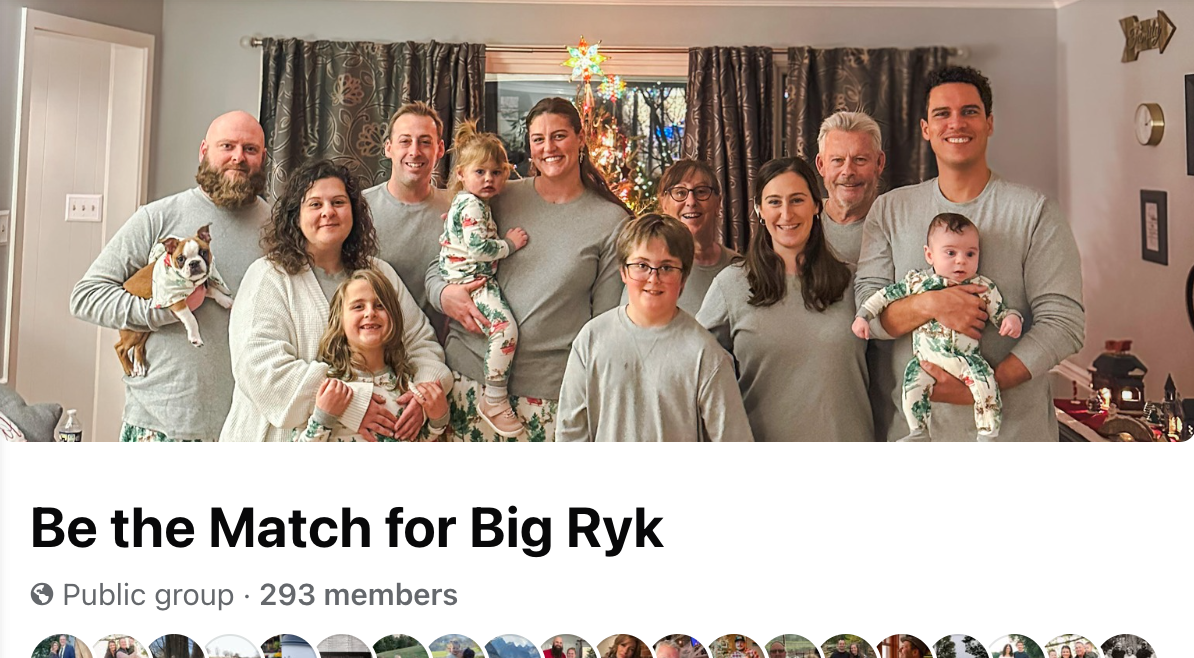
Ryk Smith Sr. Needs a Liver Donor - Fast.
THE LIVING DONOR PROCESS
Ryk is being treated through the UPMC Liver Transplant Program in Pittsburgh, one of the most experienced transplant programs in the United States. Since 1981, the program has performed thousands of liver transplants, including more than 1,000 living-donor liver transplants.
Potential donors are guided through a careful process designed with donor safety as the top priority.
-
The first step is completing a confidential donor questionnaire through the UPMC transplant team.
This helps determine:
Basic health eligibility
Blood type compatibility
Initial screening for medical conditions
A living donor coordinator from UPMC will then contact you to discuss next steps and answer any questions.
Submitting the form does NOT commit you to donating. It simply begins the conversation.
-
If the initial screening looks promising, UPMC schedules a comprehensive donor evaluation, typically completed over one or two days in Pittsburgh.
The purpose of this evaluation is to ensure that donation would be safe for the donor both physically and emotionally.
UPMC performs extensive testing to confirm donor safety and compatibility.
Tests may include:
Detailed blood work
CT scans of the liver
Echocardiogram (heart imaging)
Exercise stress test
Pulmonary (lung) function testing
Possible liver biopsy if needed
These tests help the transplant team determine:
If your liver is healthy
If the liver anatomy is suitable for donation
If surgery would be safe for you
Donors may withdraw at any point in the process for any reason.
-
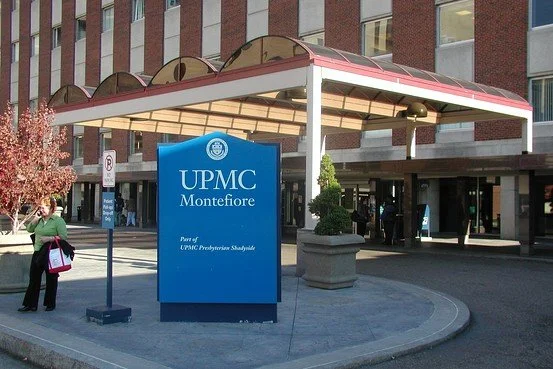
If approved and you choose to move forward, the transplant surgery takes place at UPMC Montefiore Hospital in Pittsburgh.
During the procedure:
A portion of the donor’s liver is removed
That portion is transplanted into the recipient
Both livers begin regenerating almost immediately
The liver is unique (and amazing!) because it regrows to its full size within a few months.
-
Most living liver donors experience:
4–7 days in the hospital
4–6 weeks before returning to many normal activities
2–3 months for full recovery
UPMC continues to monitor donors closely after surgery to ensure a healthy recovery.
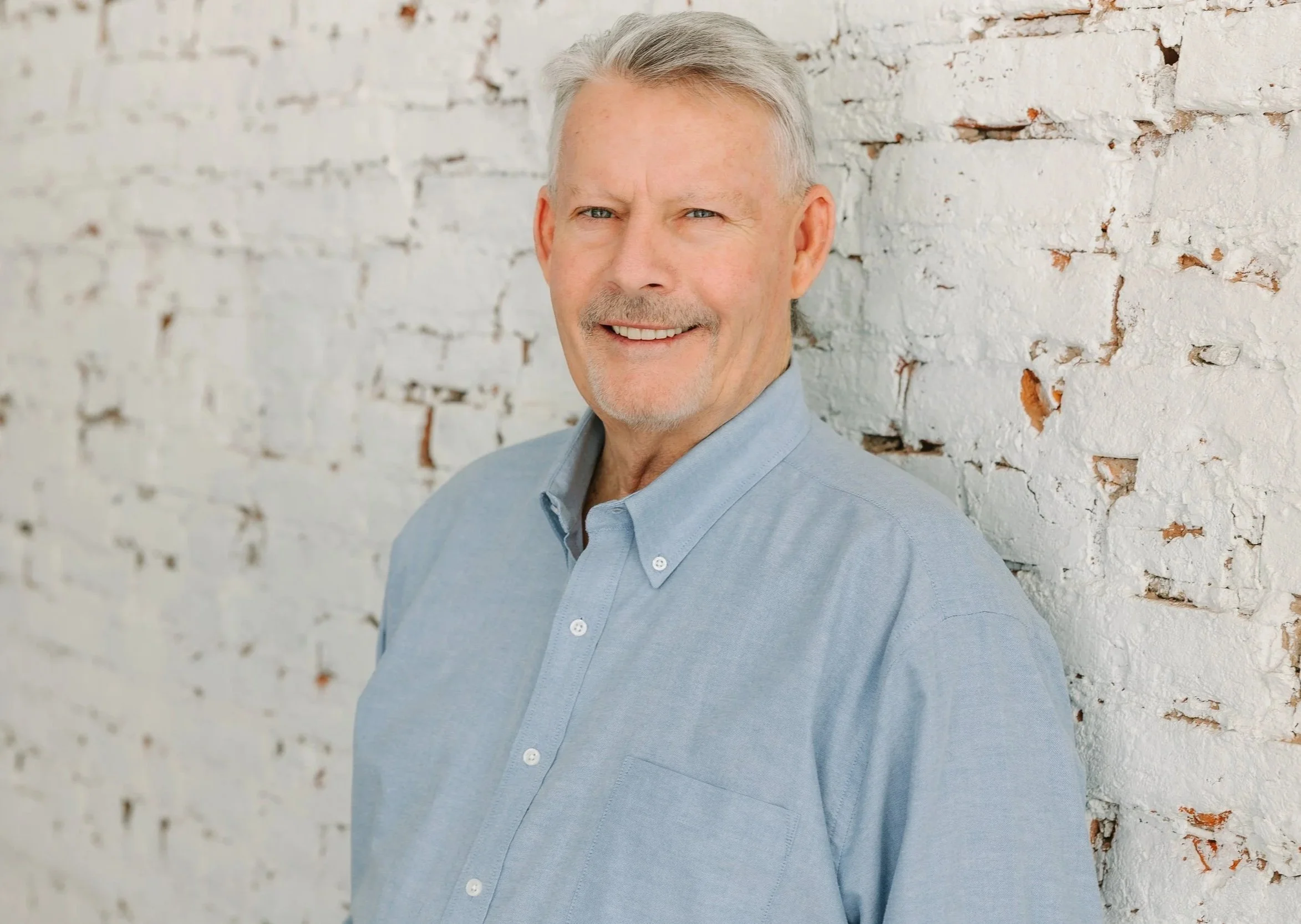
MEET RYK
A devoted husband, father, and pappy who is ready to take his life back.

Your Questions, Answered
-
To be completely up front, Ryk needs the transplant as soon as possible.
In March, doctors shared that Ryk needs the transplant ideally within the next couple of months.
-
Medical expenses related to donation are covered by Ryk’s insurance.
This includes:
Donor evaluation and testing
The surgery itself
Hospital care related to the donation
Follow-up medical visits related to the transplant
The transplant team can explain all financial details before any commitments are made.
-
You may still be able to help through something called a paired liver exchange donation.
A paired exchange works like this:
You volunteer, are approved to donate, but you are not a direct match for Ryk.
Another donor in a similar situation is compatible with Ryk.
Your liver donation helps their loved one.
Their donor helps Ryk.
This creates a life-saving exchange between families.
Paired donations allow more people to receive transplants even when their original donor isn’t a match.
The hospital organizes the paired exchange, but we must first secure an approved donor on Ryk’s end in order to make the paired exchange a reality.
So even if you’re unsure about compatibility, getting tested could still be the key that unlocks Ryk’s transplant.
-
Donors typically must:
Be between 18 and 60 years old
Be in generally good physical and mental health
Have a compatible liver anatomy determined through imaging tests
-
A living donor transplant allows surgery to be scheduled before the recipient becomes critically ill, significantly improving recovery and long-term survival for the recipient.
-
Absolutely. Potential donors can stop the process at any point, for any reason, and their decision remains confidential.
-
Most donors stay in the hospital about 4–7 days and return to normal daily activities in 4–6 weeks, with full recovery typically within 2–3 months.
The liver is unique because it regenerates. After surgery, both the donor’s remaining liver and the transplanted portion grow back to normal size over time.
-
National transplant data shows that about 93% of liver transplant recipients survive the first year, and about 80% live at least five years depending on their health and other factors.
These are considered excellent outcomes for major organ transplantation.
Donor mortality risk is about 0.1–0.5% (very rare).
Most donors fully recover and return to normal life within a few months.
Transplant centers only approve donors when they believe the procedure is safe for that individual.
-
Ryk’s youngest son, Ryky Jr., is spearheading our donor search. He can be contacted at 717-303-7360.
“Ryk has spent his life showing up for others. We are praying and believing that someone will show up for him. If you feel called to help, please take the first step. It could change everything.”
Follow OUR FACEBOOK GROUP